• Home
  • Research & CV
    • Articles
    • Book Chapters
    • Editorials, interviews, op-eds
    • Reviews
    • Translations
    • Ph.D. dissertation
    • Studying the Religious Mind
    • An Unnatural History of Religions
    • Sciamanesimo senza sciamanesimo
  • Blog [EN]
  • Blog [IT]
  • Events
    • Indice
    • 1.1. La vita sulla Terra
    • 1.2. Breve profilo della storia della vita
    • 2.1. Chi siamo? Tassonomia, genetica, primatologia
    • 2.2. Il cespuglio dell’evoluzione umana
    • 2.3. Novità e continuità tra Pleistocene e Olocene
    • 3. Appendici
  • Contact
Menu

Leonardo Ambasciano

Street Address
City, State, Zip
Phone Number

Your Custom Text Here

Leonardo Ambasciano

  • Home
  • Research & CV
  • Publications
    • Articles
    • Book Chapters
    • Editorials, interviews, op-eds
    • Reviews
    • Translations
    • Ph.D. dissertation
  • Books
    • Studying the Religious Mind
    • An Unnatural History of Religions
    • Sciamanesimo senza sciamanesimo
  • Blog [EN]
  • Blog [IT]
  • Events
  • Progetto Preistoria
    • Indice
    • 1.1. La vita sulla Terra
    • 1.2. Breve profilo della storia della vita
    • 2.1. Chi siamo? Tassonomia, genetica, primatologia
    • 2.2. Il cespuglio dell’evoluzione umana
    • 2.3. Novità e continuità tra Pleistocene e Olocene
    • 3. Appendici
  • Contact
Template-ENG 2.jpg

Blog [EN]


Colin Elliott's "Pox Romana: The Plague that Shook the World" (2024): The Unabridged Review

May 21, 2026 Leonardo Ambasciano

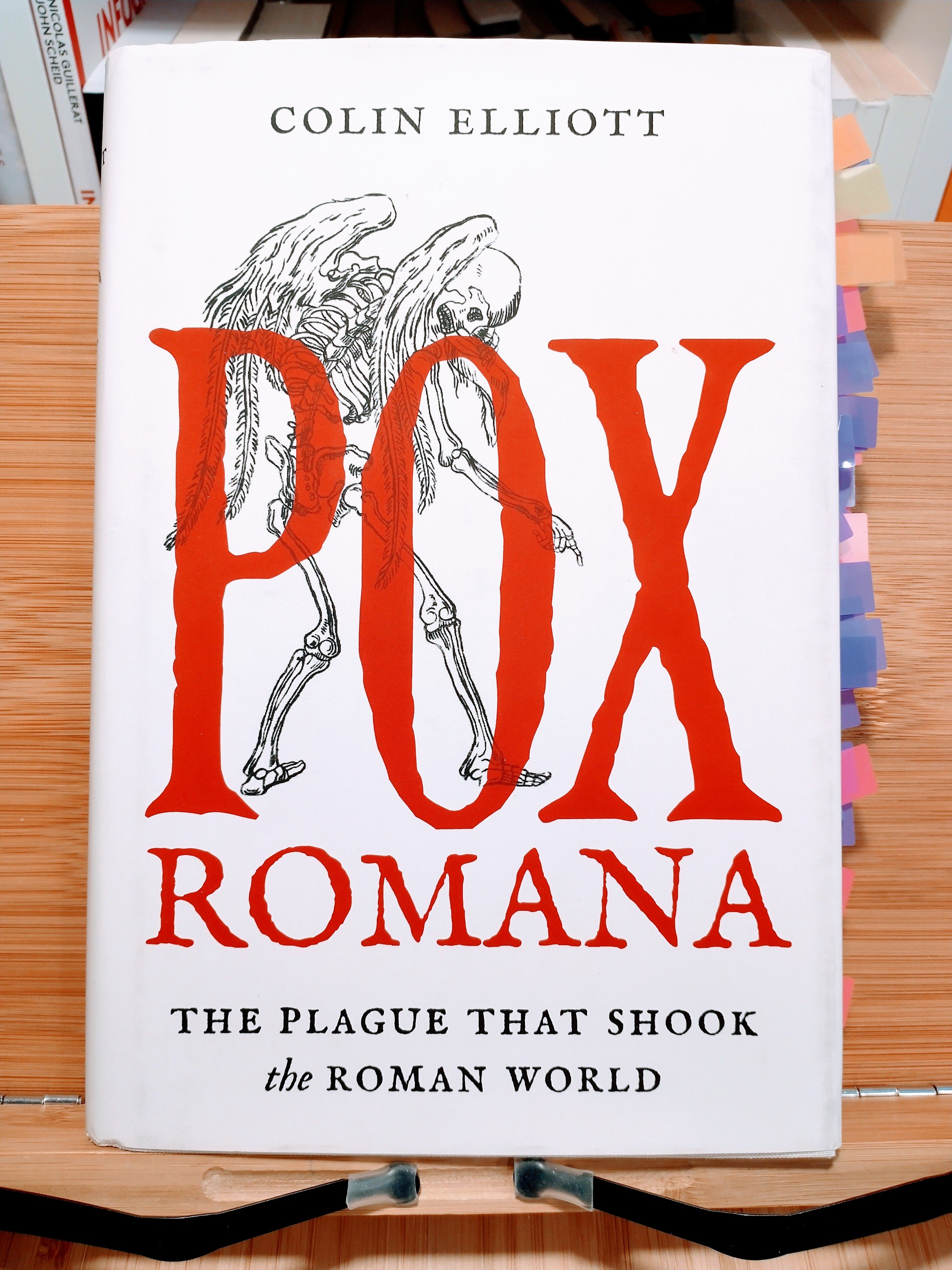
The front cover of Elliott’s Pox Romana (2024). Source: personal collection.
The lesson of Elliott’s impeccably researched book is clear. Environmental cataclysms are always exacerbated and turned into epoch-defining catastrophes by poor decision making and institutional ignorance (Elliott 2024: 40). The Antonine Plague fuelled anxiety, anxiety turned into angst, angst bred panic, and panic led to scapegoating, persecutions, and the totalitarian politicisation of religion. Religion never happens in a void, and while history does not repeat itself, it sure does rhyme.

Read more
In Ancient Rome, Cognition, History of Religions, Epidemiology Tags religion, pandemics, politics

The Bizarro World of Eliadology: An Extended Commentary on Gabriel Badea’s “Mircea Eliade, între tradiţionalism şi modernism. Posteritatea critică în Italia” (2022)

February 14, 2026 Leonardo Ambasciano

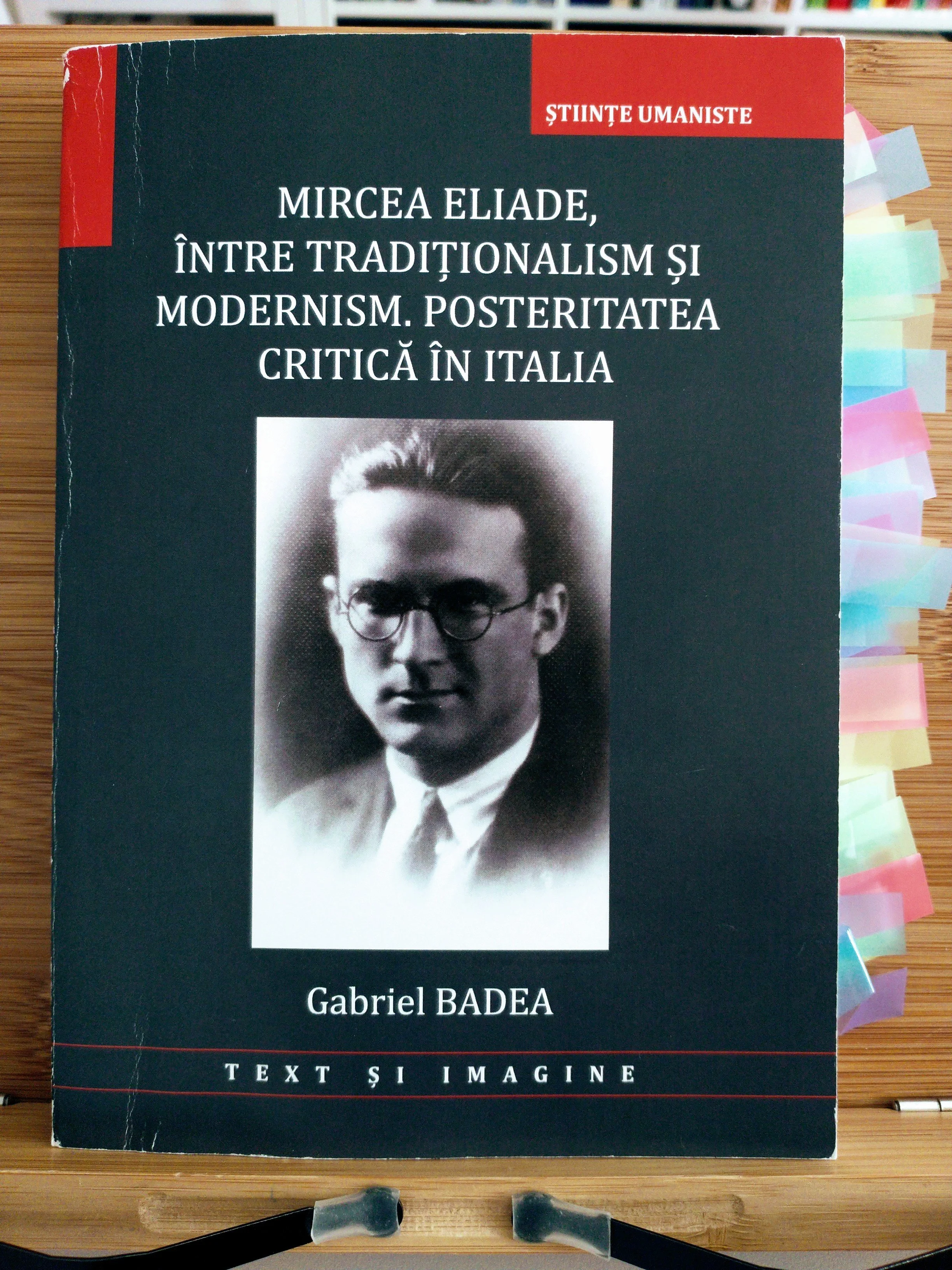
The cover of Badea’s Mircea Eliade, între tradiţionalism şi modernism. Posteritatea critică în Italia (2022). SOURCE: private collection.

Sciamanesimo senza sciamanesimo, my research monograph about the Interwar intellectual roots and postwar development of Mircea Eliade’s key concept of shamanism (Nuova Cultura, Rome 2014), has been recently appraised as a positivistic and postmodernist faux pas in the reception of Eliade’s works within the Italian History of Religions. This assessment, which suffers from questionable premises and disciplinary misunderstandings, is found in Gabriel Badea’s Mircea Eliade, între tradiţionalism şi modernism (Editura Universităţii din Bucureşti, Bucharest 2022). This post offers a critical rebuttal of Badea’s biased interpretation, methodological contradictions, and historiographical blunders, with larger implications for his entire reconstruction of the Italian postwar discipline. I also take this opportunity to clarify, ten years after its original publication, the epistemological, ethical, and historiographical method and theory of my 2014 monograph.

Read more
In History of Religions, Teaching, Politics Tags academia, historiography, religion, politics

Ad Philologum: A Reply to Gregory D. Alles

December 10, 2025 Leonardo Ambasciano

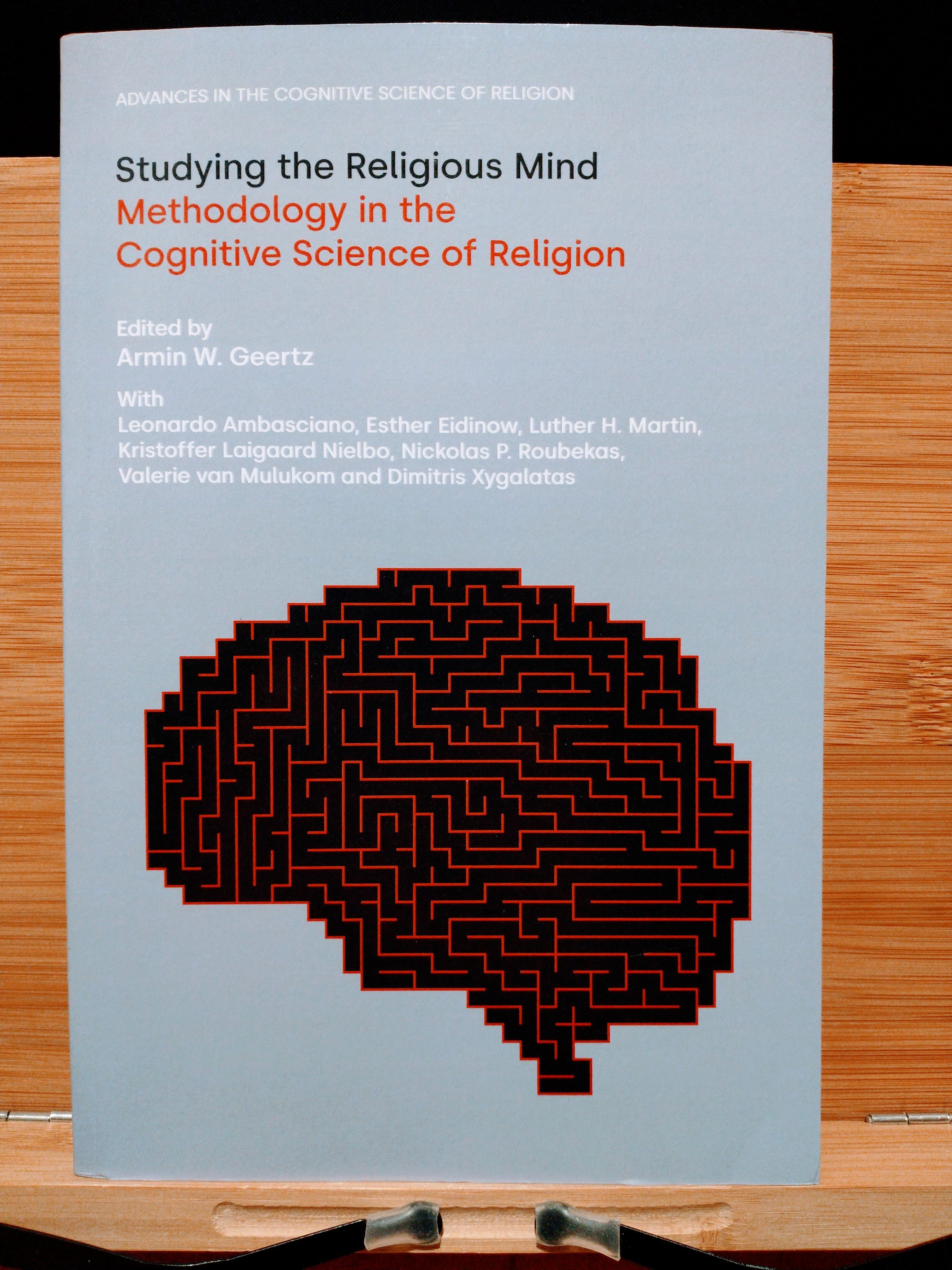
The cover of Studying the Religious Mind. SOURCE: personal collection. © Equinox.

While I am glad to know that in his review of “Studying the Religious Mind” G. D. Alles concurs with me that “post-truth and folk-historical thinking” need to be banished from our field(s), I have to confess my discomfiture for his critical remarks – which I found baffling for a series of reasons that need to be unpacked to be properly understood.

Read more
In Teaching, History of Religions Tags cognitive science, religion

Nickolas Roubekas' "The Study of Greek and Roman Religions" (2024): The Review Redux

September 25, 2025 Leonardo Ambasciano

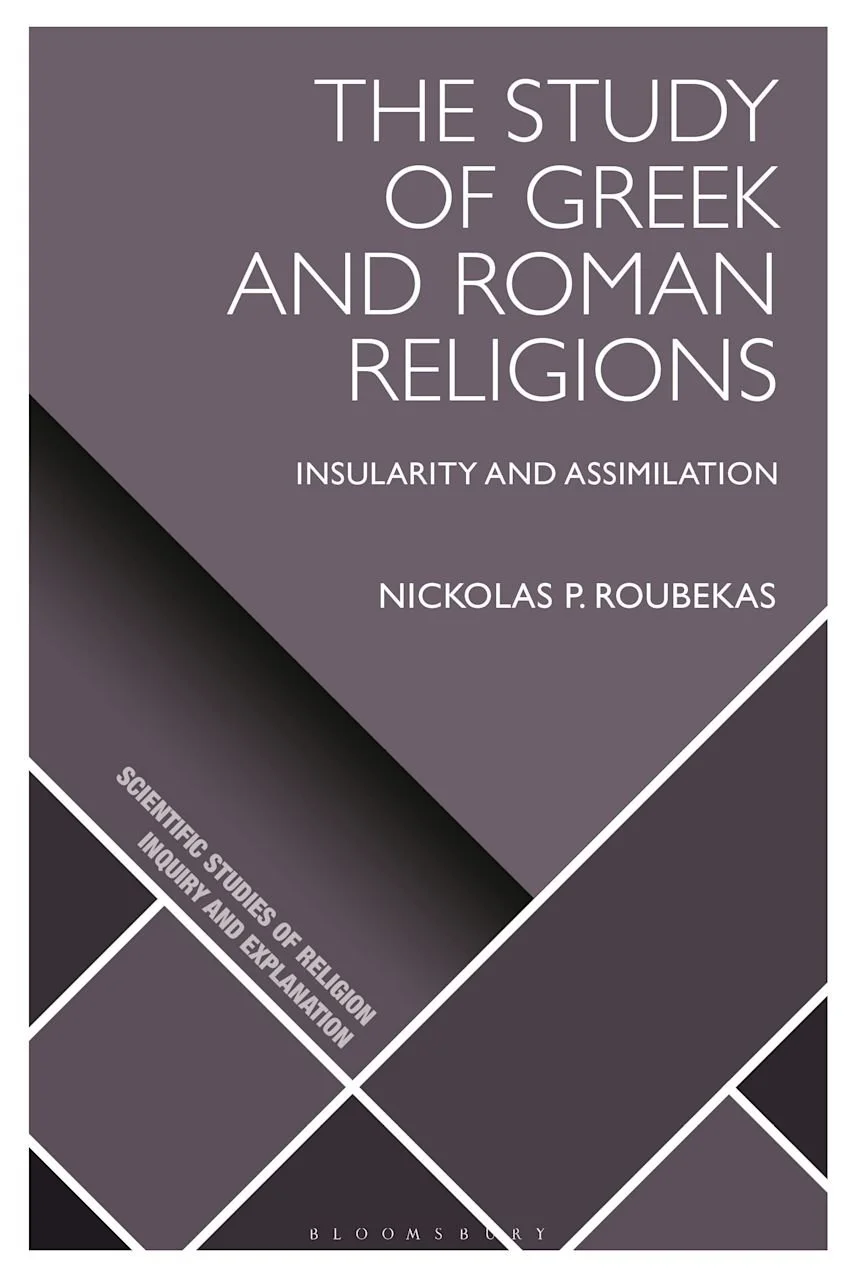
The front cover of Roubekas’ The Study of Greek and Roman Religions (2024). Source: Bloomsbury.

Nickolas Roubekas’ The Study of Greek and Roman Religions clearly shows that the toolboxes and the results of the academic disciplines that study religion(s) from a critical and/or socio-scientific perspective continue by and large to be ignored by classicists, while the modern disciplines that have inherited the scholarly responsibilities of the old Victorian Science of Religion keep on tolerating, if not supporting, a fideistic and (crypto-)theology-friendly status quo.

Read more
In History of Religions, Cognition, Ancient Rome Tags religion, cognitive science, historiography

Crop circles, Superman Movies, and scraped palimpsests: Weird passages from Claire White’s “An Introduction to the Cognitive Science of Religion”

December 27, 2024 Leonardo Ambasciano

The cover of Claire White’s An Introduction to the Cognitive Science of Religion: Connecting Evolution, Brain, Cognition, and Culture. The image depicted on the cover is a “full brain tractography with artistic color” (from the back cover). The fact that a book about cognition presents itself to the readers with a neuroimaging picture is problematic, to say the least. See text for details. Source: personal collection.

I have eagerly waited for a general, comprehensive, and user-friendly introduction to the Cognitive Science of Religion (CSR) for many, many years. Finally, the book I’ve long dreamed about is here. And the result, while impressive in sheer size and scope, leaves much to be desired.

Read more
In Cognition Tags academia, cognitive science, religion, historiography, cinema, comic books

Truth, Justice, and the Monthly Floppy

February 21, 2024 Leonardo Ambasciano

Fig. 1. The cover of Superman #1 (1939), with art by Joe Shuster, graded and slabbed by CGC. See text for details. © DC Comics /Heritage Auctions. Source: Heritage Auctions.

When Congressman Robert Garcia was sworn into office in January 2023 on the US Constitution he didn’t have the Bible or any other sacred text with him. Not that it was required to have one. As per Article VI, Clause 3 of the United States Constitution, there is no official requirement to be sworn in on a religious text for the Oath of Office: “no religious Test shall ever be required as a Qualification to any Office or public Trust under the United States.” But, in a sense, he did have a sacred text with him: a copy of Superman (vol. 1) #1 (published by National Comics/Dc Comics, cover date June 1939) borrowed from the Library of Congress.

Read more
In Pop Culture Tags art, comic books, religion

My J. Z. Smith is a pheneticist (sort of)

April 30, 2022 Leonardo Ambasciano

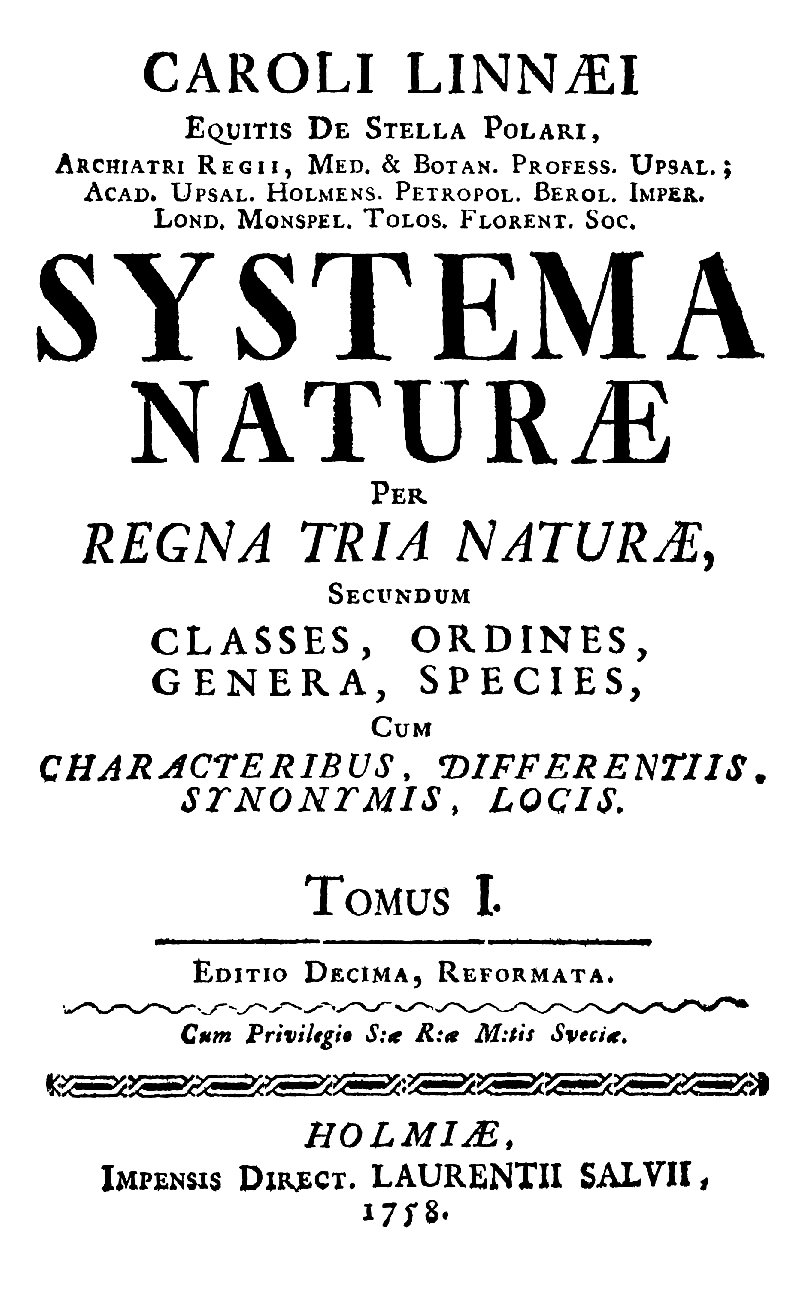
“Linnaeus gave us a way of talking about the diversity of grasses” (Jonathan Z. Smith in Sinhababu 2008). Title page of the 10th edition of Systema naturæ (1758) by Carl Linnaeus. Göttingen State and University Library, signature <8 H NAT I, 7105 <10>:1>. Source: Wikipedia.

In late 2018, less than a year after historian of religion extraordinaire Jonathan Z. Smith had passed away, I submitted an abstract to an interesting conference organized by the Department of Philosophy and Religious Studies at the Norwegian University of Science and Technology, Trondheim, Norway, entitled “When the Chips are Down,” It’s Time to Pick Them Up: Thinking With Jonathan Z. Smith. This post tentatively provides an account of what I might have come up with provided that my submission were accepted (which, alas, was not).

Read more
In History of Religions, Evolutionary Biology Tags evolution, religion, academia, historiography

The Future I Dreaded So Much Is Here. And It’s Scary (and Hot) as Hell

July 8, 2021 Leonardo Ambasciano
Another place, another time. Liguria, Italy. 2016, (CC BY-NC-ND 4.0) Leonardo Ambasciano.

Another place, another time. Liguria, Italy. 2016, (CC BY-NC-ND 4.0) Leonardo Ambasciano.

In 2019 I saw the effects of man-made climate change with my own eyes.

It was a scorching 40°C outside, well above the usually mild June temperatures of the Ligurian Riviera. The air was blistering hot, like the devil’s breath. The pitiful shrubs and the wilted flowerbeds on the sidewalk reminded me of something from a bygone era, like fossilised remains of a poor urban planning from another century. The few and far-between palms on the boulevard provided no shade at all. An elderly lady fainted a few metres from me, collapsing lifeless on the ground.

Read more
In Climate Change Tags politics, religion, epidemics, comic books, anthropology, family recollections

Religion 101: How I Would Design a Kick-ass Course

July 7, 2021 Leonardo Ambasciano
Exchange Building, University of Nottingham. Source: Wikipedia; author: mattbuck.

Exchange Building, University of Nottingham. Source: Wikipedia; author: mattbuck.

Introduction to the Critical and Interdisciplinary Study of Religion 101: A work in progress.

Read more
In Teaching Tags anthropology, art, cinema, literature, historiography, evolution, neuropsychology, religion, politics, cognitive science

The deafening silence of Religious Studies

February 8, 2021 Leonardo Ambasciano
Sources in chronological order: HuffPost, 3 May 2018 (the bust in the middle was vandalized in 2018; in 2020 the statue was toppled by protesters); BBC News, 8 June 2020; BBC News, 9 June 2020; The Virginian Pilot, 10 June 2020; BBC News, 11 June 20…

Sources in chronological order: HuffPost, 3 May 2018 (the bust in the middle was vandalized in 2018; in 2020 the statue was toppled by protesters); BBC News, 8 June 2020; BBC News, 9 June 2020; The Virginian Pilot, 10 June 2020; BBC News, 11 June 2020; Sky News Italy, 14 June 2020; CNN, 19 June 2020. An updated list of monuments toppled or removed during the 2020 protests is available on Wikipedia. Composition © 2021, L. Ambasciano.

It’s quite mind-boggling how the most toxic scholars of the past in the academic study of religion(s) have escaped unscathed the BLM movement’s criticism or the fury of cancel culture. How come statues like those dedicated to Churchill, Washington, Columbus, Confederates, slave traders, and racists all the world over were defaced or toppled down last year while the busts of Mircea Eliade are still standing? How is it possible that a chair at the University of Chicago is still entitled to Eliade while cancel culture is reclaiming so many academic and intellectual victims almost on a daily basis?

Read more
In Politics, History of Religions Tags politics, religion, BLM
Older Posts →
 
Blog Archive
  • May 2026
  • February 2026
  • December 2025
  • September 2025
  • July 2025
  • February 2025
  • January 2025
  • December 2024
  • February 2024
  • May 2023
  • February 2023
  • July 2022
  • May 2022
  • April 2022
  • January 2022
  • December 2021
  • November 2021
  • July 2021
  • April 2021
  • March 2021
  • February 2021
  • January 2021
  • December 2020
  • September 2020
  • August 2020
  • May 2020
  • April 2020
  • March 2020
  • December 2019
  • October 2019
 

Deep Times banner © 2019-2026 Fabio Manucci, Andrea Pirondini, Leonardo Ambasciano

©2019-2026 Leonardo Ambasciano | All Rights Reserved

No part of this website may be used or reproduced in any manner for the purpose of training artificial intelligence technologies or systems

ORCID iD iconFollow Leonardo Ambasciano on Orcid